Engineered Oak Flooring Cost Explained
Apr 17, 2026
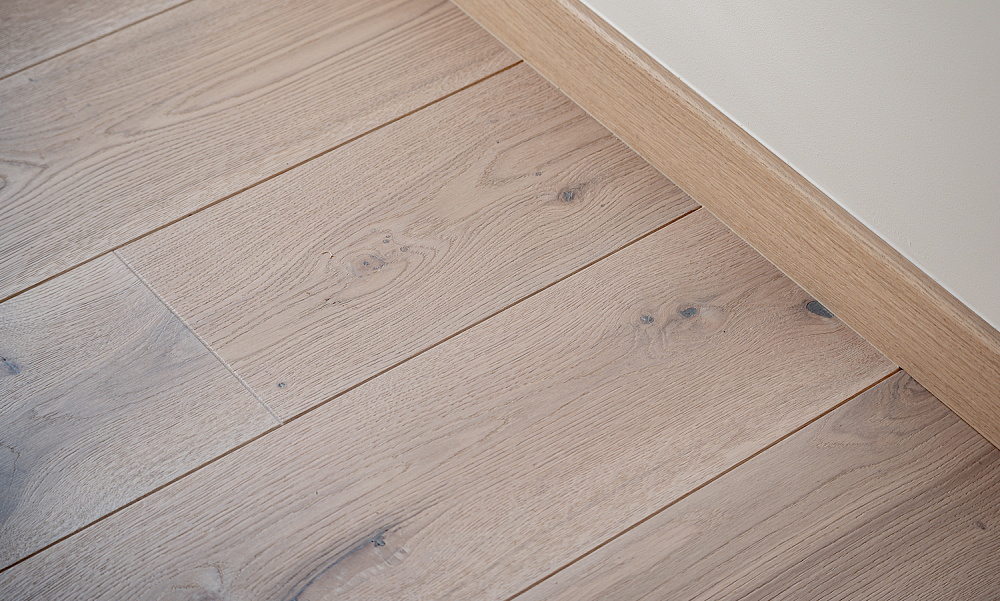
A square metre price rarely tells the full story. When customers ask about engineered oak flooring cost, what they usually want to know is whether the floor will look right, last well and justify the investment once fitting, subfloor preparation and everyday wear are taken into account.
That is the right question to ask. Engineered oak flooring is not a commodity purchase in the way laminate or low-cost vinyl often is. The cost depends on the construction of the board, the quality of the oak wear layer, the grade and finish you choose, and whether the floor is being fitted in a straightforward reception room or across a more complex project with underfloor heating, stairs and matching interior joinery.
What affects engineered oak flooring cost?
In the UK market, engineered oak flooring is priced according to specification rather than just appearance. Two boards may look similar in a photograph, yet differ considerably in stability, lifespan and overall value.
The first factor is the wear layer. A thicker solid oak top layer generally increases the price, but it also gives the floor greater longevity and, in some cases, more scope for refurbishment in the future. If you are specifying flooring for a family home, a busy open-plan kitchen or a commercial setting, that added substance can make a practical difference rather than simply adding to the headline figure.
Board construction matters just as much. High-quality engineered boards are designed to remain stable through seasonal changes in temperature and humidity. This is particularly relevant where underfloor heating is part of the design. A well-made engineered product should cope far better than many solid timber alternatives, but not all engineered flooring is produced to the same standard.
Then there is board size. Wider and longer planks often sit at a higher price point because they require more selective raw material and can create more visual impact. In design-led interiors, that extra cost can be worthwhile. In smaller rooms, however, a narrower plank or parquet format may offer a better aesthetic result and a more proportionate budget.
Typical price ranges in the UK
As a broad guide, engineered oak flooring cost in the UK often starts around the lower mid-market range for standard specifications and rises significantly for premium boards, specialist finishes and bespoke dimensions. A budget product may appear attractive on paper, but this is where caution is sensible. If the board has a very thin wear layer, inconsistent machining or lower-grade core construction, the initial saving can be short-lived.
A better-quality engineered oak floor generally sits in a premium bracket because it is built for durability, dimensional stability and visual consistency. That means better timber selection, more precise manufacturing and finishes that support both appearance and indoor air quality. For many homeowners and specifiers, the real comparison is not the cheapest floor against the most expensive one, but entry-level short-term flooring against a properly made oak floor that will still look appropriate years down the line.
Ecohardwood offers premium-quality engineered wood flooring, with prices ranging from approximately £50 to £150 per square metre, depending on the colour, grade, construction, width, and other specifications.
Every home deserves beautiful, high-quality flooring, so for those who are more cost-conscious, Ecohardwood also provides a range of options that balance affordability with excellent design and durability.
Installation costs sit separately from product cost and should always be allowed for from the outset. Depending on the fitting method, room layout and site condition, labour can vary considerably. A simple floated installation in a regular room is very different from a glued installation over prepared subfloors or a parquet layout that demands greater time and precision.
We strongly recommend using reliable, professional installers, as the longevity and performance of your flooring depend greatly on the quality of installation.
Why cheaper is not always better value
There is a difference between buying economically and buying cheaply. With oak flooring, low prices often reflect compromises that are not immediately obvious before installation.
Machining tolerances are one example. Boards that are not manufactured accurately can create difficulties on site, slowing installation and affecting the final finish. Surface finishing is another. A poor-quality lacquer or oil may alter the look of the oak in an unappealing way, wear unevenly or release more unwanted chemicals into the interior environment.
Provenance also matters. Responsibly sourced timber, FSC-certified supply chains and lower-toxicity finishes are not simply brand claims. They add credibility to the product and reassurance for customers who care about sustainability and indoor living conditions. Those standards may affect engineered oak flooring cost, but they also reflect a better-calibrated product.
The finish you choose changes the price
Finish has a direct impact on both budget and design character. Brushed, matt, smoked, stained and UV-oiled finishes usually command different price points because they involve different processes, materials and levels of craftsmanship.
Natural and lightly toned finishes tend to suit a wide range of interiors and often appeal to buyers looking for a clean, contemporary oak floor that still feels timeless. More characterful treatments, such as deep brushing or reactive staining, can elevate the visual effect and help tie the floor into wider schemes that include oak stairs, doors or wall detailing.
This is one of the places where cost should be judged alongside cohesion. If the flooring is part of a full interior scheme, the cheapest finish may not create the best result. A considered specification often gives more value than a lower price per square metre.
Grade, character and visual consistency
Oak grading influences both appearance and cost. Prime grades, with fewer knots and a more uniform grain, are typically more expensive because the raw material selection is tighter. Rustic or character grades usually offer more natural variation, visible knots and tonal movement.
Neither is inherently better. It depends on the project. A minimalist extension with large-format glazing might suit a cleaner grade, while a period renovation or a warm family interior may benefit from the texture and honesty of a more characterful board.
From a budget perspective, grade becomes part of the design decision rather than a simple upgrade path. Paying more for a prime grade makes sense if visual restraint is central to the scheme. Choosing a character grade can be equally deliberate and, in some cases, more cost-effective.
Don’t overlook fitting and subfloor preparation
One of the most common budgeting mistakes is to focus on the flooring product while underestimating installation requirements. Even the best boards need the right foundation.
Subfloor levelling, moisture testing, adhesives, acoustic underlays, trims and thresholds all add to the total project figure. If existing floor coverings need removal or doors require adjustment after the new floor is laid, that should be costed too. In older properties, these supporting works can be more significant than expected.
Parquet patterns usually increase labour costs because the setting out is more intricate and installation takes longer. The same applies to projects where the flooring needs to integrate neatly with stair nosings, skirting details or flush transitions between rooms.
Underfloor heating and engineered oak flooring cost
Where underfloor heating is involved, engineered oak is often a sound choice, but compatibility must be treated carefully. Board thickness, thermal resistance, installation method and moisture control all play a part.
A floor designed to perform well over underfloor heating may carry a higher specification cost, yet this should be seen in the context of performance. A stable engineered construction reduces the risk of movement-related issues and helps protect the visual finish over time. That matters far more than shaving a small percentage off the material budget.
Professional guidance is worthwhile here. A floor that suits the heating system, room use and subfloor build-up is usually better value than a cheaper product chosen without considering the wider construction detail.
How to judge long-term value
The best way to assess engineered oak flooring cost is to move beyond the initial purchase price. Ask how the floor will perform in five, ten or fifteen years. Will it still fit the design of the home? Will it withstand daily life? Was it responsibly made? Will it support healthier indoor conditions through low-toxicity finishes and adhesives?
These are not abstract questions. They shape whether a floor feels like a worthwhile investment or an expensive compromise. A well-specified engineered oak floor brings visual warmth, durability and design continuity in a way that many synthetic alternatives cannot. It can also support a broader interior language across doors, stairs and oak detailing, which is particularly important in high-value renovations and professionally designed spaces.
For clients comparing quotes, the sensible approach is to look at the full package: product construction, wear layer, finish, sourcing, installation requirements and expected lifespan. A specialist manufacturer such as Ecohardwood can help clarify those differences because the conversation is based on specification, not just shelf price.
If you are budgeting for oak flooring, think of cost as part of a longer decision about quality, appearance and responsibility. The right floor should earn its place every day, not just on the day it is purchased.