How We Achieve Premium Wood Floor Quality: Testing and Experimentation
Mar 06, 2024
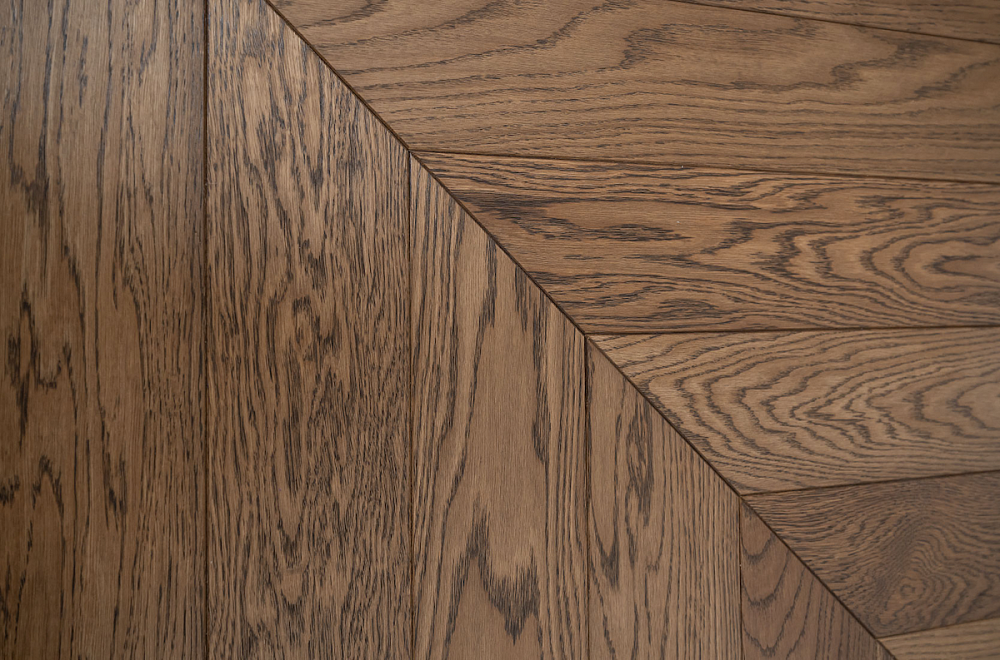
The secret to the high quality of our wood flooring lies in everything, from choosing suitable wood to the final touches and testing. At Ecohardwood, we take quality seriously at every step. We start by sourcing FSC-certified European wood, carefully drying it, crafting each piece, applying the finishing touches, and rigorously testing it. This process ensures our oak flooring boards are strong, durable, and adaptable to changes in environment and temperature, making them perfect for underfloor heating.
In our recent article, we explain the thorough testing and experimentation each piece of wood undergoes before it becomes part of your space. We scrutinise everything: the structure of the flooring, the quality of the finish, and how well it stands up to daily life. Take a look at the detailed and intricate process behind our continuous commitment to delivering only top-quality oak products.
Wood Floor Hardwax Oil Test
At Ecohardwood, we treat every floorboard with Saicos oil made from natural and eco-friendly ingredients. Its use in children's toy manufacturing highlights its safety. The oiling process is critical to enhancing and keeping up the quality of our wood floors. This oil highlights the natural beauty of our floors and provides strong protection against water, spills, dirt, and scratches. Plus, oiled wood floors are simpler to fix and look after than other finishes, allowing for easy treatment of any local damage without having to redo the whole floor.
To boost our wood floors' protection and foundation, we apply two types of oils: one for colour and one for protection. We add two to five layers of colour oil or/and reactive stains to achieve the desired shade. We then seal the wood with Saicos hardwax oil, ensuring lasting durability.
We monitor the oiling process in our factory to guarantee it meets our strict quality standards. Here's our method:
we measure a floorboard's weight before and after oiling. This shows us precisely how much oil each square meter of flooring receives. We adjust the oil quantity as necessary, ensuring every board is perfectly protected.
Wood floor resistance to liquids test
Ecohardwood oak flooring is perfect for any room, whether it's a living room, bathroom, or kitchen, and it is ideal for underfloor heating.
Our trust in our flooring's quality and its versatility for different home environments is based on thorough testing. Once the floorboards are ready, we check how well they resist spills by using water, coffee, red wine, and Coca-Cola. These liquids are tested because they are typical in households and can cause stains or damage. Through this testing, we make sure our oak flooring can withstand daily spills and maintain its appearance.
In a typical home, spills like coffee are cleaned up right away. But in our tests, we leave the spill on the sample for 24 hours, covering it with glass lids to stop it from drying out. After a day, we clean the board to see if there are any marks left. If the board has no stains and the finish is still perfect, it passes our quality check. This means our wood flooring can handle everyday spills easily. Just wipe them off, and your floor will look as good as new, with no lasting damage.
Wood Floor Finish Adhesion Test
We do adhesion tests to check how well the finish sticks to the wood flooring surface. A finish that is well bonded to the oakwood ensures durability, protection, and ease of maintenance, making the flooring long-lasting and simple to clean and refresh.
The coin test is one example. We use a metal disc, like a coin, press it hard, and slide it over the wooden board's finished surface. We then evaluate the board for any signs of damage.
Once the finish is properly attached to the wood, it should resist scratches. However, it's important to remember that sharp and pointed objects can still leave marks, because, after all, it is natural wood. No flooring material, including vinyl, is totally immune to damage. Our tests ensure that our flooring stays high-quality and durable under normal use conditions.
Scratch resistant hardwood floor – cross-cut test
At the Ecohardwood factory, we also conduct a cross-cut (cross-hatch) test to check the scratch resistance of our hardwood floors. We take a finished and dried board and use a tool to slice its surface into tiny squares. Next, we stick adhesive tape over these squares, press it down tightly, and then peel it off. We evaluate the results using a specific quality test method.
Ecoboard Flooring Base Test
The Ecoboard base, crafted in Germany specifically for wood flooring, has stood out in industry research, securing top marks for quality at EPH-Dresden, one of Europe's leading wood product testing laboratories. These tests confirm our double-layer Ecoboard flooring's high quality, making it a product we proudly recommend to our customers. The delamination test, in particular, addresses any concerns about the flooring's durability and lifespan. The results were impeccable across all evaluations, showing no signs of delamination between the Ecoboard, the oak layer, or any other part of the flooring structure. Despite being put through rigorous testing conditions, such as:
- - Soaking in water at 20°C for 6 hours.
- - Spending 24-48 hours in a climate-controlled chamber at 23°C with 50% relative humidity.
- - An 8-hour drying period at 60°C.
- - A 16-hour drying period at 80°C.
As detailed in the issued certificate, no flaws were found in the lab after these tests.
Thermal resistance testing in a German lab showed our Ecoboard double-layer floorboards have a thermal resistance of 0.11 W/m*K, meaning they are excellent at letting heat pass through. This ensures rooms warm up quickly and stay comfortable after the floors are installed. Plus, the natural warmth of the wood makes the floors even more inviting, perfect for walking on barefoot.
We also checked for formaldehyde emissions and are pleased to report that our Ecoboard floors meet Europe's highest E1 class standards, emitting less formaldehyde than the lowest detectable limit.
When choosing flooring, especially for use with underfloor heating, it's crucial to know about the manufacturing process. Harmful substances in adhesives or other floor materials can evaporate, which is a health concern. For synthetic floors like vinyl, we recommend asking for certificates to ensure your floors are safe and free from toxins.
This content was created by Irma Peciuliene, the Head of the Quality Department at Ecowood factory. If you have any questions for the quality manager or our consultants, please write to info@ecohardwood.co.uk