Meaningful Spaces: A Conversation with Ruta Benetyte, Partner at Vita Architecture
Nov 27, 2024
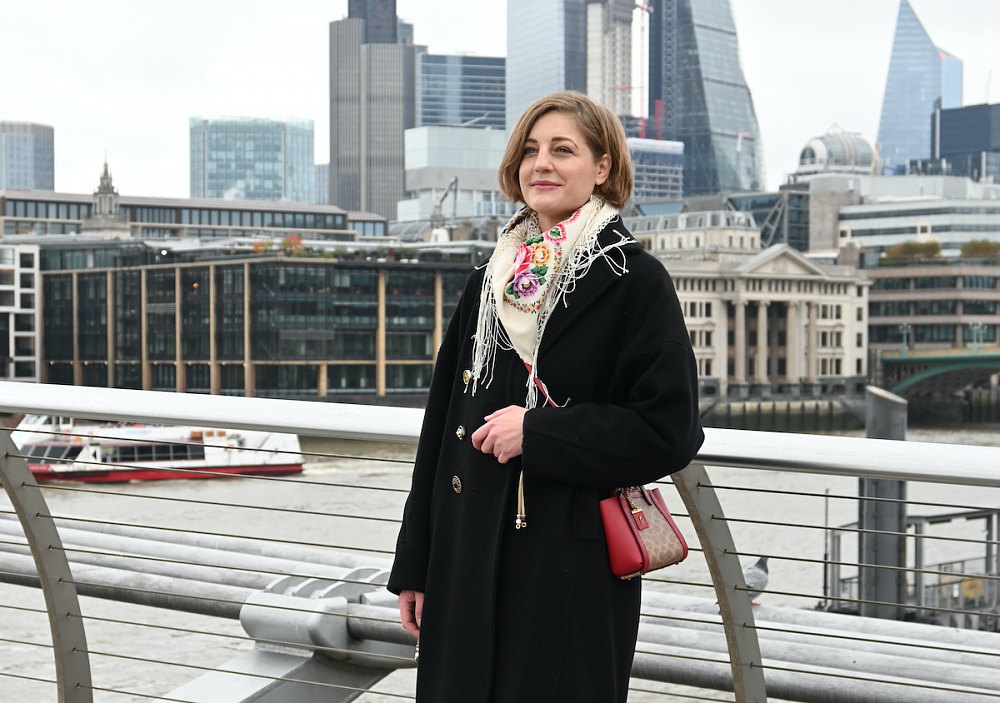
Ecohardwood has worked with Vita Architecture on several projects, providing engineered wood floors, oak panels, and oak stairs. We recently talked to architect Ruta Benetyte, a partner at Vita Architecture, about architecture, projects, and what inspires her.
We met Ruta near Tate Modern, the starting point of her favourite London walk. From London Bridge to Southwark and past the London Eye, the route offers a captivating glimpse of the city’s evolution, where historic landmarks coexist with modern architectural skyscrapers.
Ruta describes herself as both sensitive like an artist and precise like a mathematician – qualities immediately apparent to anyone who knows her or even meets her briefly. A partner at Vita Architecture, she channels a deep-rooted altruism inherited from growing up in a family of medical professionals into her work. Her designs create spaces where people can live, work and dream. “I’ve always wanted to change the world, to create meaningful architecture where every element is carefully and thoughtfully considered,” says the Lithuanian architect, who has called London home since her teenage years.
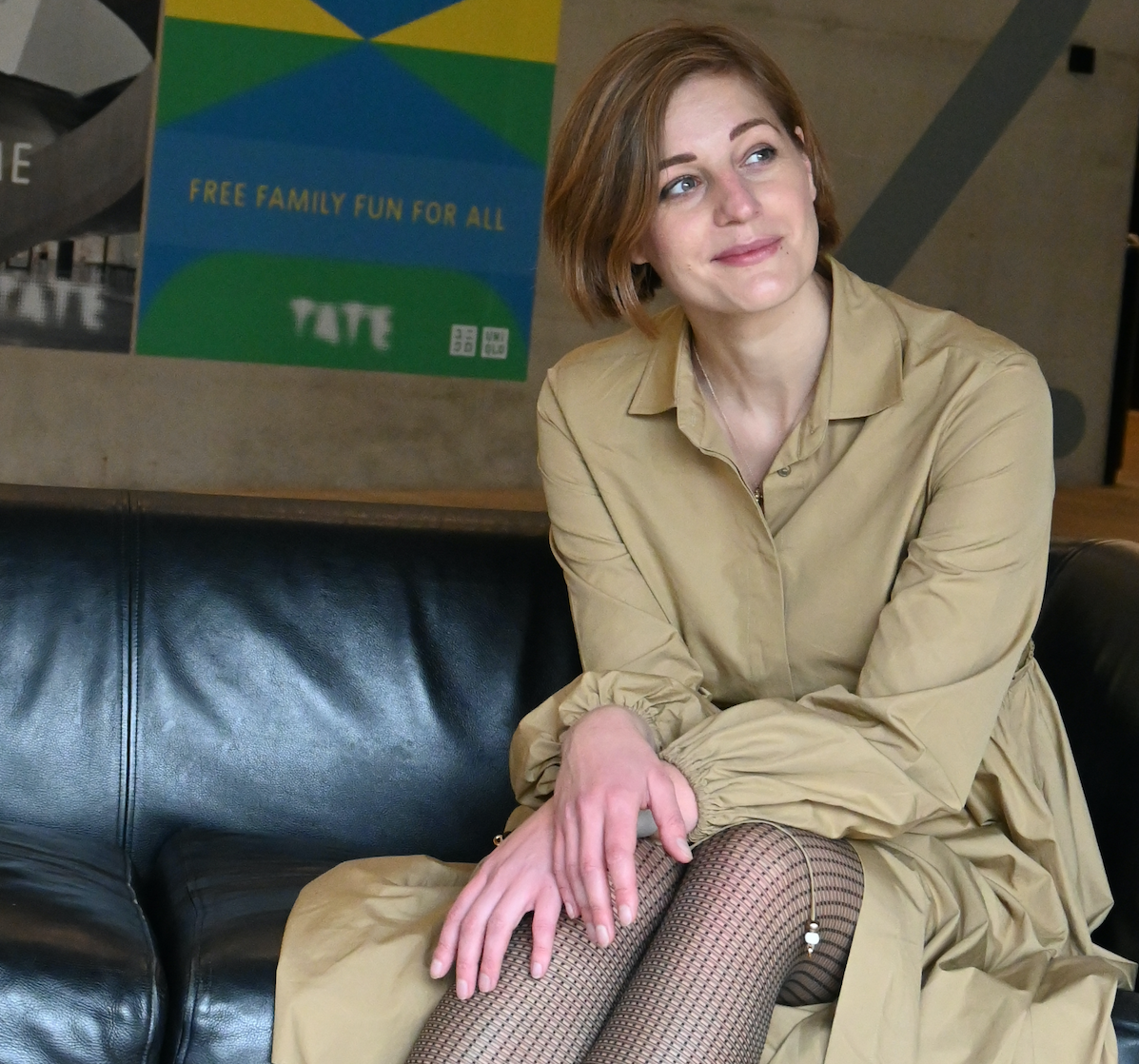
Architect Ruta Benetyte.
Before anything else, since we’ve collaborated on a few projects with you, supplying oak wood floors and oak panels, we’d love to know - how do you select materials for your projects? What criteria matter most to you?
When selecting materials, the most important consideration is longevity and durability. Materials also should be healthy, natural, easy to maintain, and not appear "worn out" after a few years. In every project, we think about how the spaces will be used and how they can be adapted in the future.
What trends in architecture do you find most significant today?
One of the biggest trends is creating bright, spacious areas or at least the illusion of them. Another trend is that most people now want separate zones for different functions, so everything is very individual – everyone needs different spaces.
Sustainability is also critical, but it’s challenging, especially when applying sustainable concepts to older buildings.
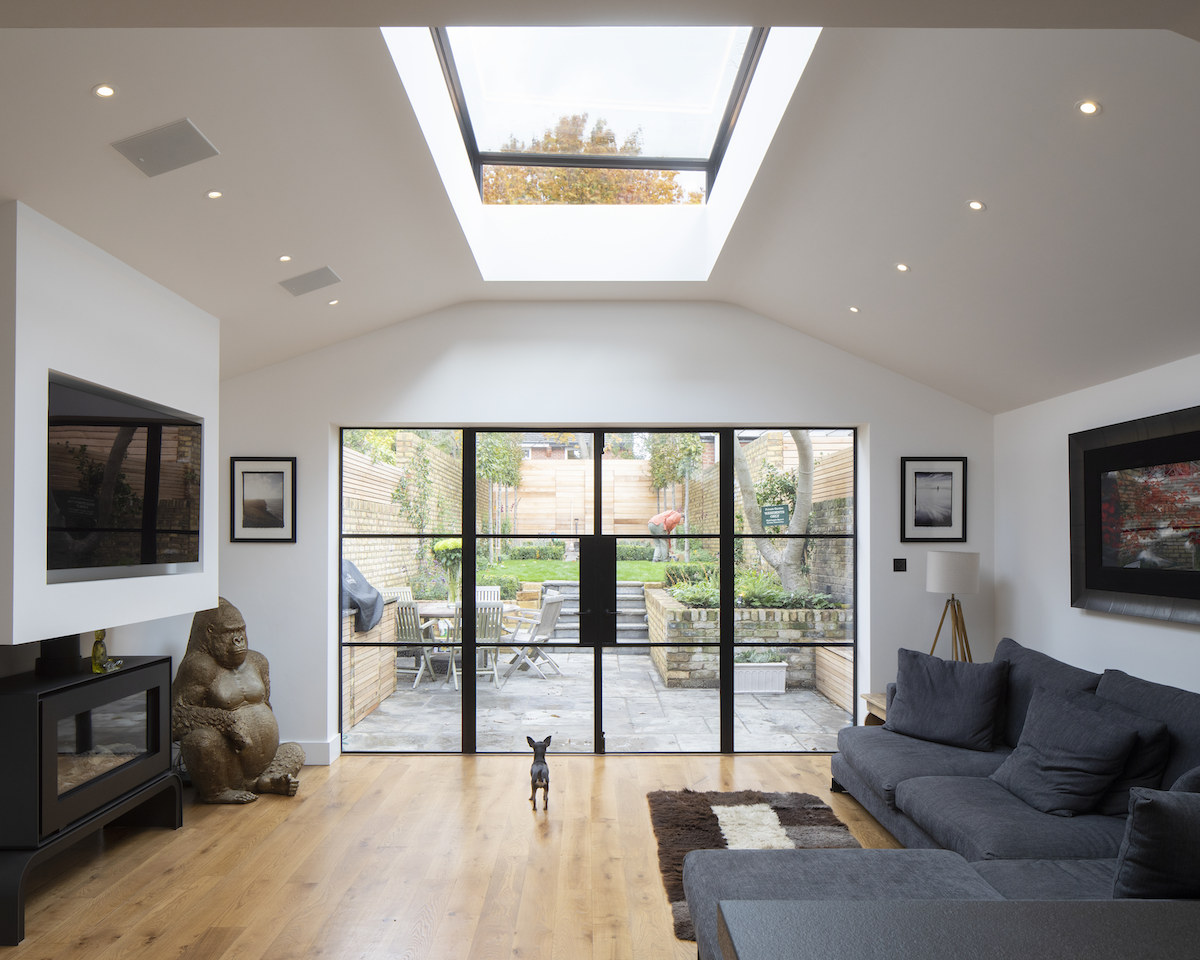
Ecohardwood oak floors. Project by Vita Architecture.
What does sustainability mean in your work?
To me, sustainability is all about adaptability - a space should be designed to easily transform and evolve to meet changing needs.
It’s also crucial that a space serves the people who use it, rather than merely complying with rigid standards. Without this human-centered approach, sustainability risks becoming nothing more than ‘greenwashing.’
What projects do you primarily work on, and what challenges do you face?
We started mainly with residential projects, but as we grow, we’re branching out into commercial spaces, hotels, golf clubs, and restaurants. We have many international projects (currently in about 18 countries worldwide).
Our practice is still relatively young compared to larger firms. Today, entering competitions for significant projects is challenging – in the past, for example, the Barbican Centre was designed by three young architects who walked in with sketches and won the competition. Now, such projects require years of experience with similar-scale works. It’s tough for talented architects to break through – it takes time and effort.
We’re growing gradually, focusing on quality rather than quantity. While we may not become the largest architecture firm, we want to create a sustainable, happy work environment and high-quality buildings.
You’re always calm and positive. How do you maintain this remarkable serenity?
I don’t know if it’s truly serenity, but maybe it comes from experience and focus. I went through an intense educational path: twelve years studying architecture in England at Plymouth, London South Bank, and Westminster universities. Back then, life was all about architecture – no other activities, just studying and working. For several years, I travelled to teach every six weeks, used my vacations for teaching, and during the pandemic, I taught remotely. Perhaps work helped me develop calmness, the ability to concentrate, and emotional control.
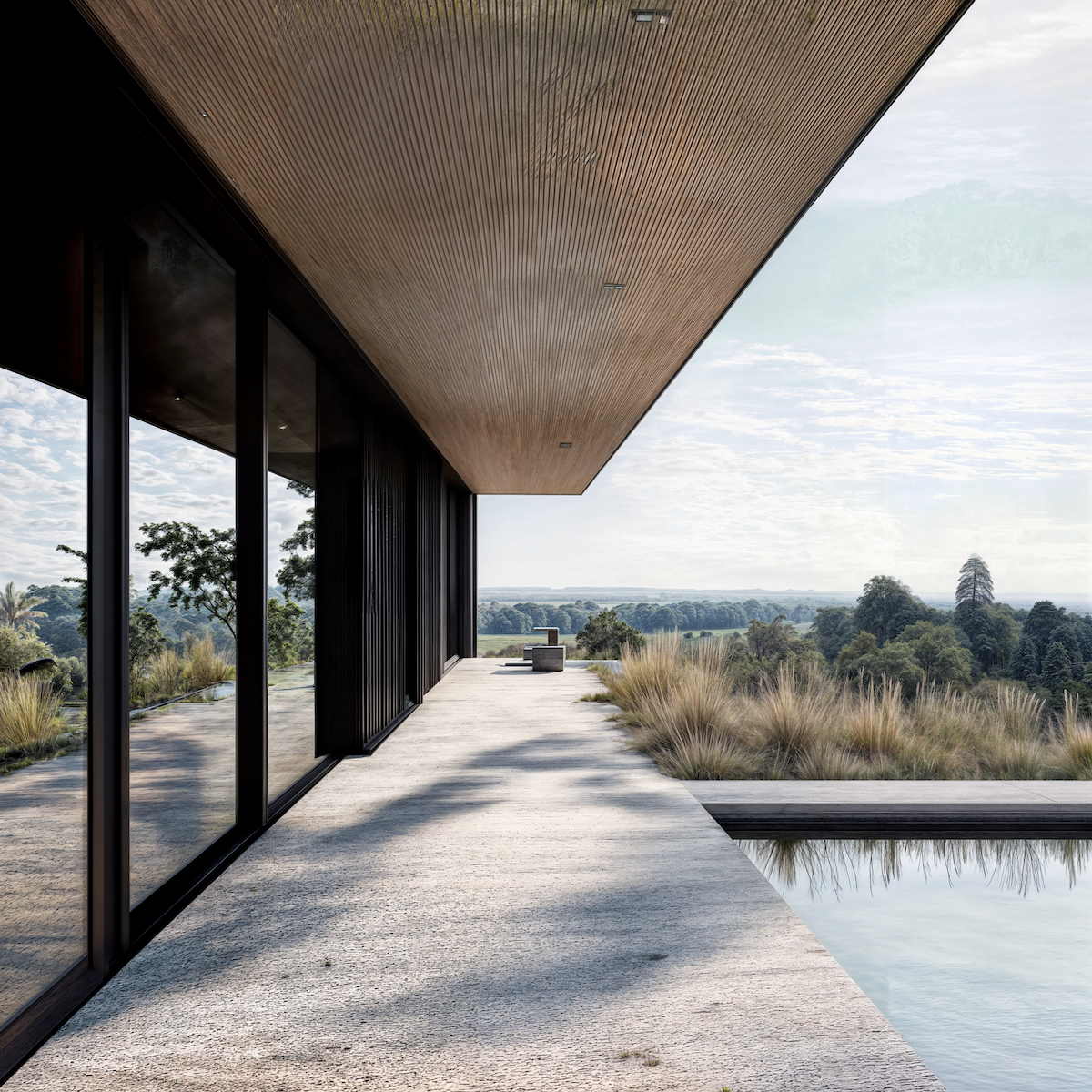
Vita Architecture project in Surrey.
You grew up in a family of doctors but chose architecture. How did that happen?
Yes, both my parents are doctors, but neither I nor my siblings chose medicine. My father often worked abroad, and once, he brought home a brochure for a Catholic girls' school in Sydney. I thought, why not? I wasn’t baptized or Catholic, but I agreed. Later, I got the opportunity to study at Solihull College and left for England at just 17.
By the age of 11, I already knew I wanted to be an architect. I’ve always wanted to change the world, create, and leave behind physical spaces for future generations. I didn’t know much about the profession at the time, but I liked how it combined mathematics and art. I was always drawn to art and excelled in mathematics – for a couple of years, I was the best in my college.
While studying in Lithuania, I didn’t always prepare for lessons responsibly, but schoolwork wasn’t difficult – I didn’t need to put in as much effort as others. In England, however, I felt a sense of responsibility and discipline – talent without hard work is nothing.
How did your collaboration with Ben Lee start, and how did you become colleagues and business partners at Vita Architecture?
Ben and I met at a London architecture firm, where we worked side by side for three years and got along very well. Ben was the first to decide to start his own business, and at that time, I felt I had reached a point where I couldn’t give any more energy to my job. I planned a vacation in Australia and asked my boss for a three-week break. Unfortunately, he wouldn’t grant me the time, so I resigned. Before leaving, Ben offered me freelance architectural work, marking the beginning of our collaboration.
I flew to Australia and, jet-lagged, rented a car and drove along the coast for two days – though I don’t remember much of the trip, it all ended well! I experienced a lot, including driving while utterly exhausted in a foreign country. Sometimes, experiences outweigh fears, and that trip confirmed that when an opportunity arises, I take it. Even if you make mistakes, you still learn something valuable.
When I returned to England, Ben invited me to join as a business partner. Together, we decided to build and grow our company.
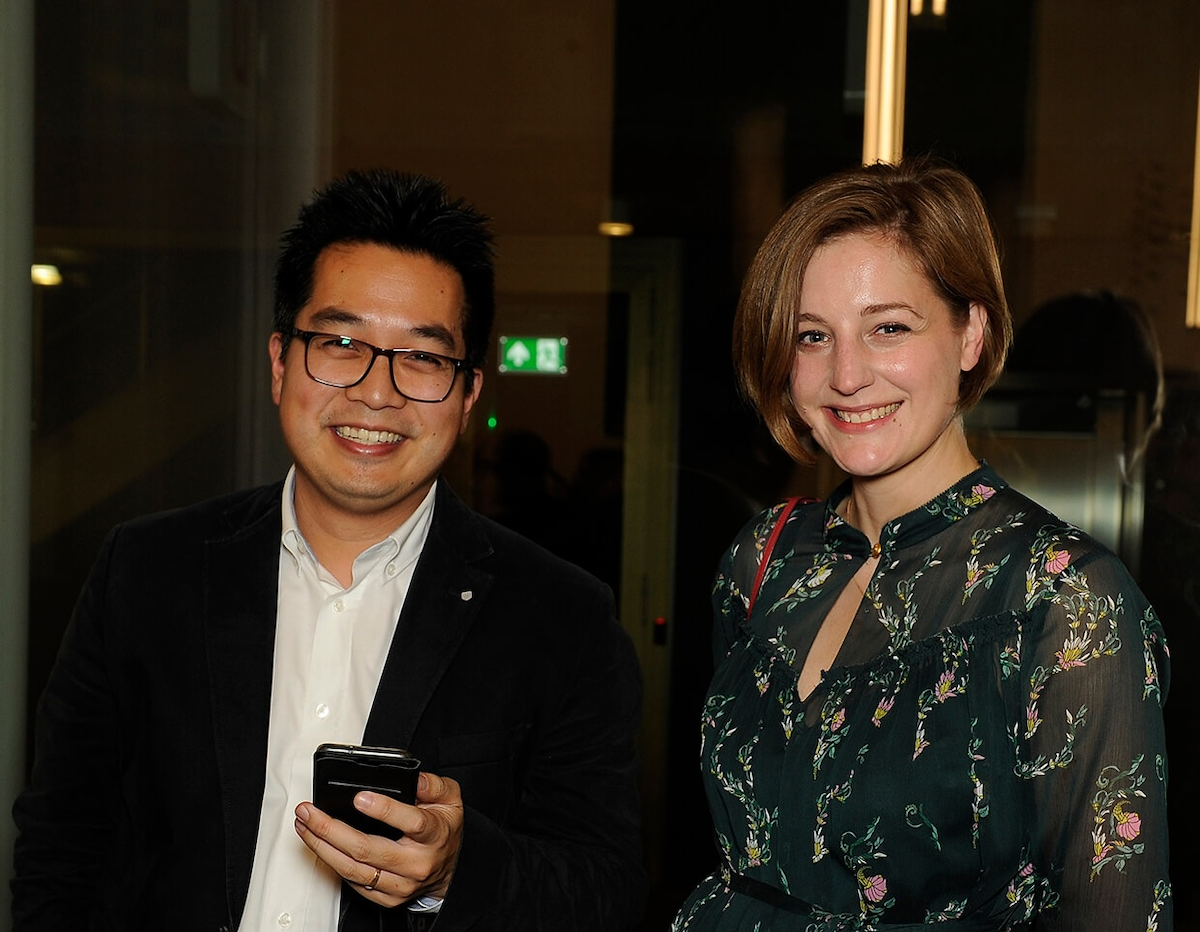
Ruta Benetyte and Ben Lee, partners at Vita Architecture.
Are you and Ben more similar or different? How does this reflect in your projects?
We’re different, and we complement each other perfectly. Over time, we’ve learned to trust each other more. We don’t micromanage but support and help whenever possible. I’m the one who comes up with ideas and develops creative concepts, while Ben rationalizes, finalizes, and ensures they’re fully implemented. This balance and efficiency enhance our work.
We view design similarly – we want to create something unique but subtle and understated. We aim for our projects to appear simple, yet they conceal a lot of meticulous work and effort.
What priorities do you set for your practice and your team?
Ben and I agreed that our studio should have around 25 people – it’s important for us to create a work environment where the team feels good. If growth demands more people, we’d still want to maintain humanity. Our priority is caring for employees and fostering a healthy work environment. We don’t want our team to experience the stress we faced early in our careers.
In architecture, there’s often this mindset that working without sleep is like a “badge of honour.” But that’s not healthy – it’s possible to be a good architect and still get enough sleep. In the future, I want to explore this area – during my architectural studies, I noticed high rates of depression and suicide, and I believe that student and architect well-being should be a priority.
Why do you think clients choose you to fulfil their visions?
Choosing an architect is a very personal decision, so we strive to deeply understand the client’s lifestyle and what matters to them. We aim to discover what kind of space would suit them specifically, how to meet their needs, and highlight that in the architecture. This personalized approach allows us to create a meaningful architecture where every element is thoughtfully designed for the person who will live in that space.
We also care about the environment and community. For example, we are members of the Dorking Society, where we voluntarily contribute ideas for the town's development. We promote a circular economy – still theoretical in some aspects, but we hope some of these projects will come to fruition.
Architecture isn’t just about drawings; it also has an altruistic element – how to improve people's lives regardless of their environment or demographics. With its diverse cultural population, architecture gains additional significance in London – it becomes a connecting element that unites varied needs.
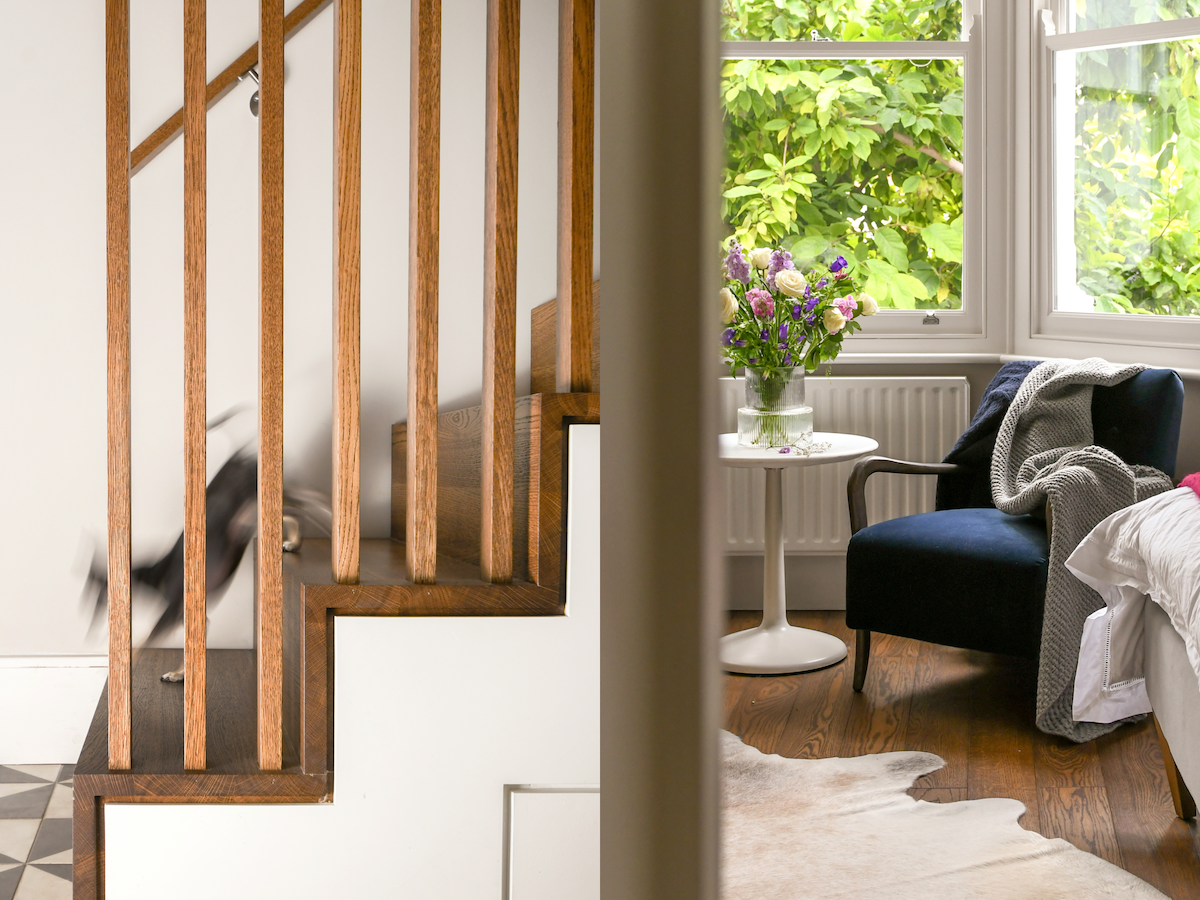
Ecohardwood oak stairs, oak panels and oak floors. Project by Vita Architecture.
I heard that Vita Architecture’s website was featured at an Apple product launch. How did that happen, and did it impact your practice?
An Apple representative contacted us and asked if they could use our website for a MacBook presentation. Of course, we agreed, and I jokingly asked if they could send us customized Apple phones (we’re still waiting for those!).
We didn’t even know the date of the presentation and had forgotten about it until a few friends who closely follow Apple news told us they saw our project page featured during the launch. We checked our website’s visitor stats – there was a spike, but it didn’t lead to new projects.
What advice would you give to those still searching for their true calling?
I think it’s important to pursue what you enjoy and what you excel at because then you don’t have to struggle – you naturally strive for perfection. Everything we do in life contributes to shaping our inner world.
When you find something that resonates with you and brings you joy, you do it well and with pleasure. That brings peace to your life, and challenges become opportunities to grow.
I found what suits and excites me relatively early, but I know not everyone is so lucky. In life,every experience has value – every step, no matter where it leads, adds new skills. At any stage in life, there’s no need to worry or stress too much if you haven’t found yourself yet. Everything you do teaches you something and will eventually lead you to your path.
What places in London inspire you the most?
I enjoy walking from London Bridge to Southwark, passing by the London Eye. Along this path, I observe how the city’s buildings change and blend with the environment.
One of my favourite buildings is Tate Modern because of its unique spaces and integration into the city’s structure. I’m also fascinated by the Barbican Centre – the history of this brutalist-style project is very interesting to me. After the war, there was a need for a lot of housing, so everything was elevated above ground, with parking below and people living above.
The coldness, the strict lines, bricks, and concrete – while the building appears harsh, it has a magical harmony of light, water, and squares.
Finally, which architects inspire you the most?
I’m most inspired by Peter Zumthor from Switzerland and Tadao Ando from Japan. They are incredibly sensitive in their choice of materials, colours, and lighting, creating spaces that evolve over time.
I resonate with their philosophy of observing how light and materials change over the years. I believe that to be a good architect, you must have a clear philosophy and concept.
There are many architects who can draw well, but only those with a unique style and philosophy can create meaningful architecture.