Oak Parquet vs Plank Flooring
May 11, 2026
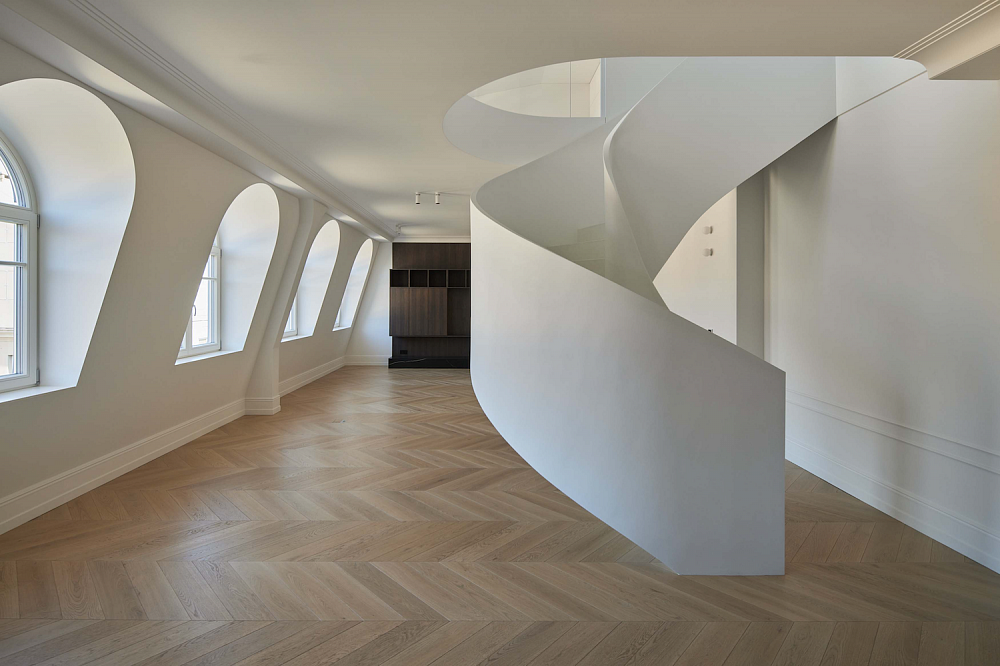
A floor sets the pace of a room long before the furniture arrives. When clients, homeowners or contractors compare oak parquet vs plank flooring, the real question is rarely which one is better in absolute terms. It is which format suits the property, the brief, the budget and the way the space will be used over time.
Both options can deliver the warmth, longevity and character people expect from oak. Both can also be specified in engineered construction, which makes them a practical choice for modern homes, renovations and commercial interiors where stability and underfloor heating compatibility matter. The right decision comes from understanding how they differ visually, technically and financially.
Oak parquet vs plank flooring: what changes the look most?
The biggest difference is pattern. Oak plank flooring creates a linear layout that tends to make rooms feel calmer and more expansive. Boards run in a single direction, so the eye follows the length of the space. In open-plan layouts, hallways and larger reception rooms, that can be exactly what you want - clean lines, visual continuity and a timeless finish.
Oak parquet flooring is more architectural. Whether laid in herringbone, chevron or another geometric format, it introduces movement and detail. That added structure can lift a plain room, create a more tailored look and make the floor feel like a design feature rather than a backdrop.
This is often where personal taste comes in, but room proportions matter as well.
- Plank flooring usually works well when you want a relaxed, understated foundation.
- Parquet often suits period properties, design-led renovations and spaces where you want more visual rhythm.
- In smaller rooms, parquet can look beautifully considered, but the pattern needs to be chosen carefully so it does not feel busy.
- In larger rooms, wide planks can feel elegant and generous, especially with long board lengths.
The grade, finish and colour tone will also affect the result. Rustic oak with knots and natural variation can make parquet feel more informal and characterful, while a cleaner grade can give it a sharper, more refined appearance. The same principle applies to planks.
Installation and project complexity
If you are balancing aesthetics against programme and labour, installation is often the point where plank flooring gains ground. Straight plank boards are usually quicker to fit, simpler to set out and less demanding in terms of labour time. For many residential projects, that can help keep the overall flooring package more efficient.
Parquet needs more planning. The subfloor preparation must be right, the setting-out must be accurate and the fitter needs to maintain pattern consistency across the room. If the room has awkward angles, thresholds or multiple transitions, precision matters even more. A beautifully fitted parquet floor is worth the effort, but it is rarely the faster route.
That does not mean parquet is impractical. It means it rewards proper specification and experienced installation. For trade professionals, this is already familiar territory. For homeowners, it is useful to know that the cost of the product is only part of the picture.
Cost differences beyond the pack price
Many buyers start with square metre rates, but oak parquet vs plank flooring should be assessed as a full installed cost. Parquet is often more expensive once labour, preparation time and wastage are considered. Depending on the pattern and room layout, wastage can be higher than with standard plank boards.
Plank flooring is usually the more straightforward option for those working to a tighter budget. It can still look premium, particularly in an engineered oak construction with a quality wear layer and a carefully chosen finish. In practical terms, it often delivers the oak look people want with fewer installation variables.
Parquet, however, can add perceived value. In high-end homes, boutique hospitality settings and design-conscious refurbishments, that extra detail can justify the spend. The floor becomes part of the design language of the property, not just a surface underfoot.
Durability and day-to-day wear
From a durability standpoint, the format matters less than the quality of the board and finish. A well-made engineered oak floor, whether parquet or plank, should offer very good stability and long service life when properly installed and maintained.
What matters more is the construction and specification.
- The quality of the oak wear layer affects longevity and the possibility of future refurbishment.
- The stability of the engineered core helps the floor perform in changing indoor conditions.
- The finish, whether lacquered or oiled, influences appearance, maintenance and repairability.
- The fitting method and subfloor condition affect how the floor behaves over time.
In family homes, both parquet and planks can cope well with normal traffic, pets and daily use. In commercial or heavier-use settings, the right finish becomes especially important. Natural oils can be easier to maintain land re-apply when needed.
Underfloor heating and modern living
For many UK projects, underfloor heating compatibility is non-negotiable. This is one reason engineered oak has become such a popular specification. Compared with solid timber, engineered construction is designed to offer better dimensional stability, making it more suitable for the temperature changes associated with heated floors.
Both parquet and plank formats can work well over underfloor heating if the product is designed for it and the installation follows the correct guidance. The key is not to assume all oak flooring performs the same way. Board thickness, construction, adhesive selection and commissioning all matter.
This is where working with a specialist manufacturer or supplier is valuable. Product guidance should cover heat output limits, moisture testing, subfloor requirements and aftercare, because even a premium floor can underperform if those details are overlooked.
Which style suits which property?
There is no fixed rule, but some combinations tend to work naturally.
Plank flooring often suits:
- contemporary extensions and open-plan spaces
- Scandinavian, modern country and minimalist interiors
- projects where visual calm and continuity matter
- cost-conscious renovations that still want a premium oak finish
Parquet flooring often suits:
- period homes and properties with original architectural detail
- design-led interiors that need more pattern and texture
- entrance halls, reception rooms and feature spaces
- projects aiming for a more tailored or luxury feel
That said, contrast can be effective. A traditional herringbone floor in a modern kitchen extension can look striking. Wide planks in a Victorian townhouse can feel fresh and grounded. Good specification is about balance, not formula.
A note on whole-house design coherence
For many buyers, the floor is not an isolated decision. It needs to sit comfortably with stairs, internal doors, skirting and wall features. This is where choosing oak across multiple interior elements can create a more resolved scheme.
A specialist oak manufacturer such as Ecohardwood can support that wider approach, with engineered oak flooring alongside oak parquet flooring, oak stairs, internal oak doors, skirting boards and wall cladding. That makes it easier to maintain consistency in tone, finish and material character across the property, especially on bespoke or design-led projects.
It also supports a more informed buying process. Instead of selecting a floor in isolation, clients can think about junctions, transitions and the overall material story of the home or commercial interior.
Sustainability and indoor environment
For many specifiers and homeowners, responsible sourcing now carries real weight. Oak flooring is a long-life material, but provenance and production standards still matter. FSC-certified timber, low-waste manufacturing and non-toxic finishes and adhesives all contribute to a better outcome, both environmentally and in terms of indoor air quality.
This matters in practical ways. Families want healthier interior environments. Designers and contractors increasingly need materials that align with sustainability goals. Commercial buyers may also need products that support broader environmental standards within the project.
When comparing parquet and plank, the sustainability question is less about pattern and more about the quality of the supply chain behind the product.
So which should you choose?
If your priority is simplicity, value and a versatile look that will sit easily in most interiors, plank flooring is often the right answer. It is dependable, easier to install and visually flexible.
If your priority is design impact, pattern and a more architectural finish, parquet can be the stronger choice. It usually asks more of the budget and the installation, but it gives something back in character and presence.
The best oak floor is the one that suits the property, performs well in the real conditions of the space and still feels right years after installation. Start there, and the choice becomes much clearer.