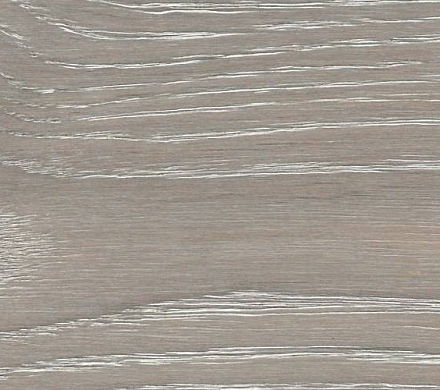
OAK FLOORING FOR THE KITCHEN
A kitchen floor has a harder job than almost any other surface in the home. It deals with splashes, dropped pans, chair movement, heating changes and constant foot traffic, all while needing to look right alongside cabinetry, worktops and adjoining living spaces. So, is engineered oak flooring suitable for kitchens? In many cases, yes - provided the product is specified correctly, fitted properly and cared for with a realistic understanding of how timber behaves.
For homeowners, designers and trade professionals, the real question is not simply whether engineered wood can be used in a kitchen. It is whether it is the right choice for that particular kitchen, household and finish requirement. That is where material quality, board construction and day-to-day use all matter.
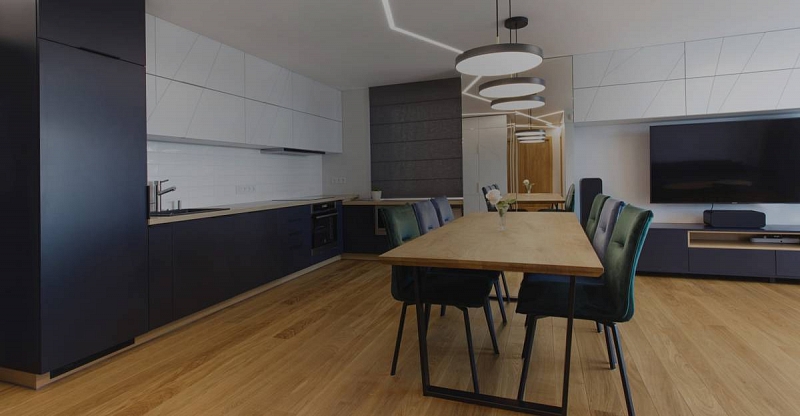
Is wood flooring suitable for kitchens?
Wood flooring can be used in the kitchen, but it needs to be engineered wood flooring, not solid. Solid wood expands and contracts as moisture and temperature level change. Contrary to solid wood - engineered hardwood flooring is perfect for the kitchen, as it is much more durable and able to resist fluctuations in temperature and humidity. This is due to 2 or 3-layers construction, which ensures strength and stability. The top layer is solid hardwood (oak or other kinds), then underneath a layer of plywood and in the case of 3-layer, a further bottom layer of softwood or hardwood. This results in the engineered oak flooring achieving the same beauty of solid wood, but it is more durable and costs less than solid flooring.
Benefits in having engineered wood flooring in the kitchen
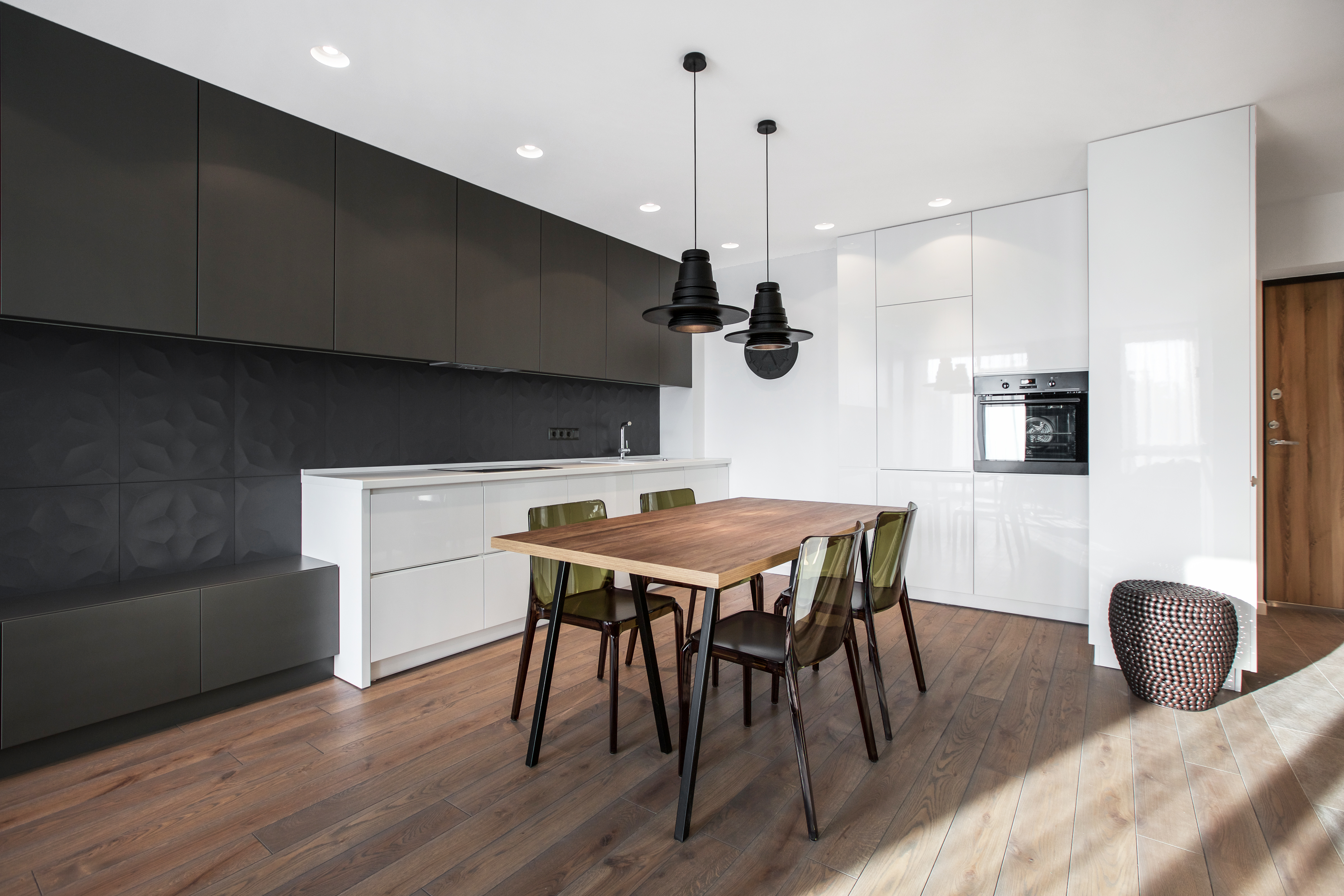
Colour Ecohardwood engineered oak flooring. Colour: Antique. Project in Lithuania.
- One of the main advantages in having wooden flooring in the kitchen is that it brings warmth, and natural and timeless character to a kitchen, either in a contemporary or more traditional home.
- It gives a warm and pleasant touch to your feet, unlike alternative choices such as tiles or stone.
- It is renewable. You can restore wear-and-tear over the years by sanding the top layer of the flooring dependent on the top layer thickness - the flooring needs to be at least 3mm thick if you want to sand at least once. You can find online a lot of cheap engineered flooring for sale in the UK, but be aware that most of them have just 1-2mm top layer which will limit its life.
- It is sturdy and long-lasting.
- Recyclable: For the eco-minded, wooden flooring is easily recyclable and all Ecohardwood flooring is sourced from sustainable forests in Europe.
- Actively increase the value of your property by introducing quality wooden flooring, contrary to cheap alternatives like vinyl or laminate flooring.
- Easy to clean and maintain.
- Finally, one of the major pros of choosing engineered hardwood flooring is that most of them are suitable (always check with the manufacturers or suppliers first) for underfloor heating.
Please check our company Premium Balance Engineered Double Oak Flooring, which unique symmetrical, true balanced 3-layer construction (top and bottom layer Oak, between birch plywood) ensures maximum all-dimensional stability and is ideal for underfloor heating.
Which is the best: oil or lacquer (or varnish) for your wooden kitchen floor?
Most wood flooring you can find on the market for sale will come pre-finished or you can, however, buy from manufacturers or suppliers unfinished boards for painting, varnishing or oiling yourself at home.
Both give a good level of protection, which is crucially important for kitchen floors. Lacquer, which provides a protective coating on the surface of the wood, is a tougher but shinier look. The good thing about lacquer is that it becomes somewhat water-resistant. However, it’s never a good idea to splash lots of water on any wooden flooring. The disadvantage of lacquer finish as it tends to show scratches more easily than an oiled floor. With an oiled floor even if scratched, it can be repaired in one area or spot rather than having to take back the whole floor and finish it again as you would have to do with lacquer. Also, an oiled floor tends to have a more natural matt look.
The other important thing to consider before choosing your wooden floor finish for your kitchen is aftercare. Oiled floors require slightly more maintenance but require fewer major renewal jobs as the oil goes deeper. This means that contrary to lacquered flooring, not only is the top layer protected but there is also protection underneath. So if you sweep or vacuum regularly on a “hardwood” setting, placemats by the entrance, occasionally use a damp, well wrung out cloth or mop, in case of spillage, wipe immediately using a non-solvent cleaner, re-coat the flooring with hardwax colourless oil every few years – it should pass the time test perfectly.
All Ecohardwood company’s Flooring is pre-finished with natural, eco-friendly and non-toxic SAICOS oils, which is an oil that has been found to be suitable for children’s toys (EU Toy Safety Directive Testing - EN 71).
Which colour of oak flooring is the best for your kitchen?
One of the main benefits of choosing timber flooring for your kitchen is that it works very well with any style you choose, from clean to contemporary to classic and of course traditional.
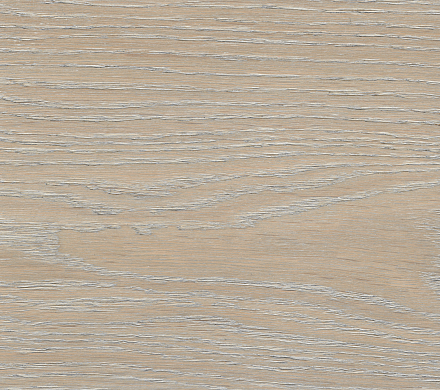
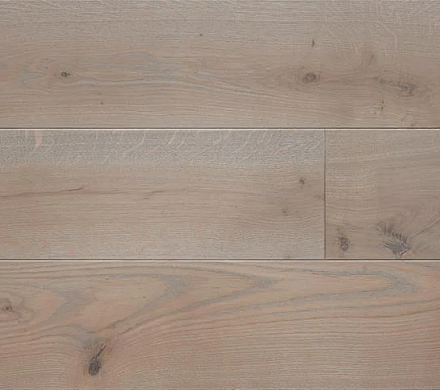
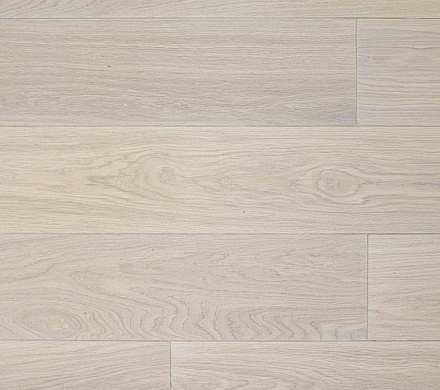
White, limed and pale silver wood floors
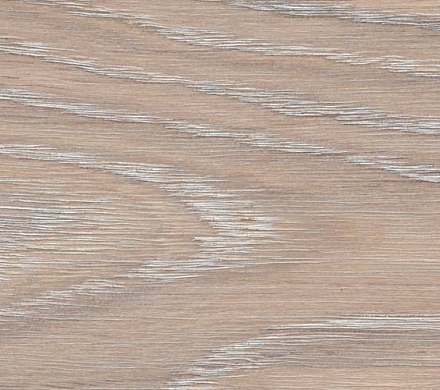
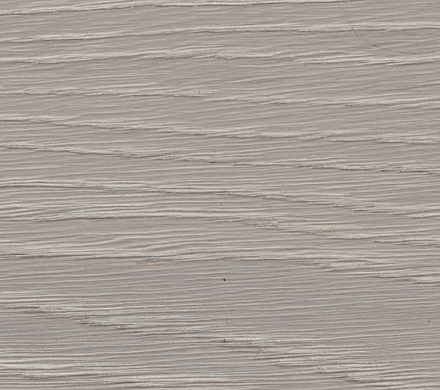
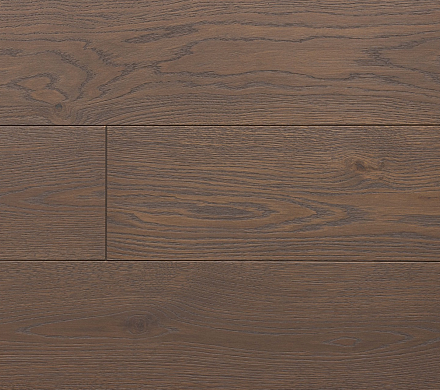
Their light colour will give a contemporary, clean Scandinavian-style look to your kitchen. Also, if you have a small kitchen light, pale colours will help you to create a feeling of more space. However, it will show dirt more quickly. Read more about the white wood flooring trend.
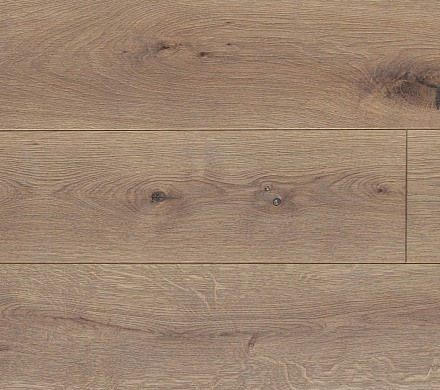
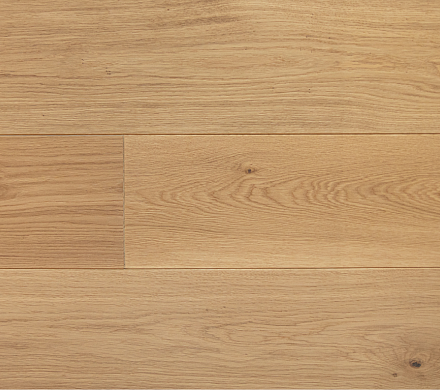
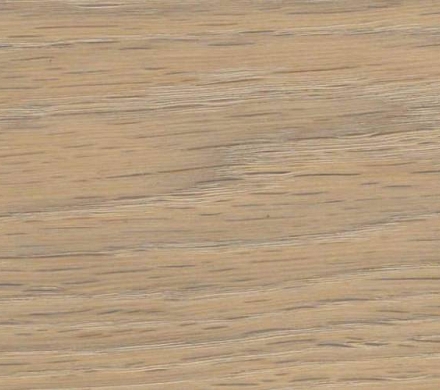
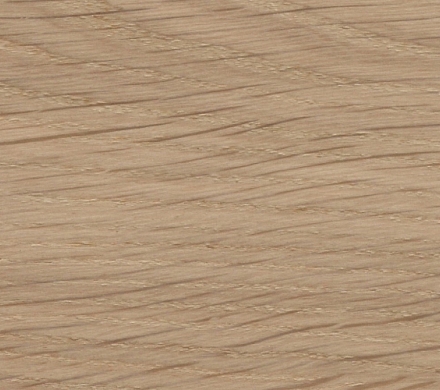
Warm, honey-toned wood floors
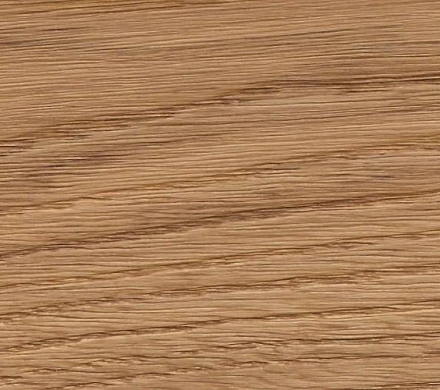
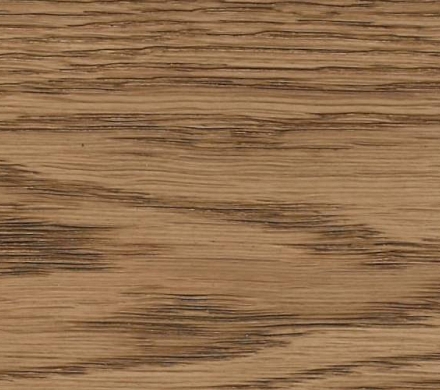
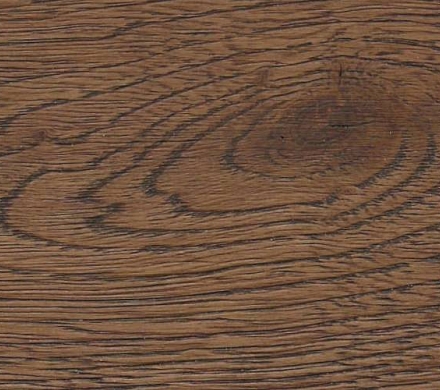
Compared to light, whitewash colours will mask dirt more. Also, it is a perfect choice if you want to create a warm, cosy and welcoming feeling in your kitchen. ideal for a large, open-plan space that you want to feel cosier. It is less contemporary and more traditional but suited ideally to a large, open space kitchen to create a relaxing atmosphere.
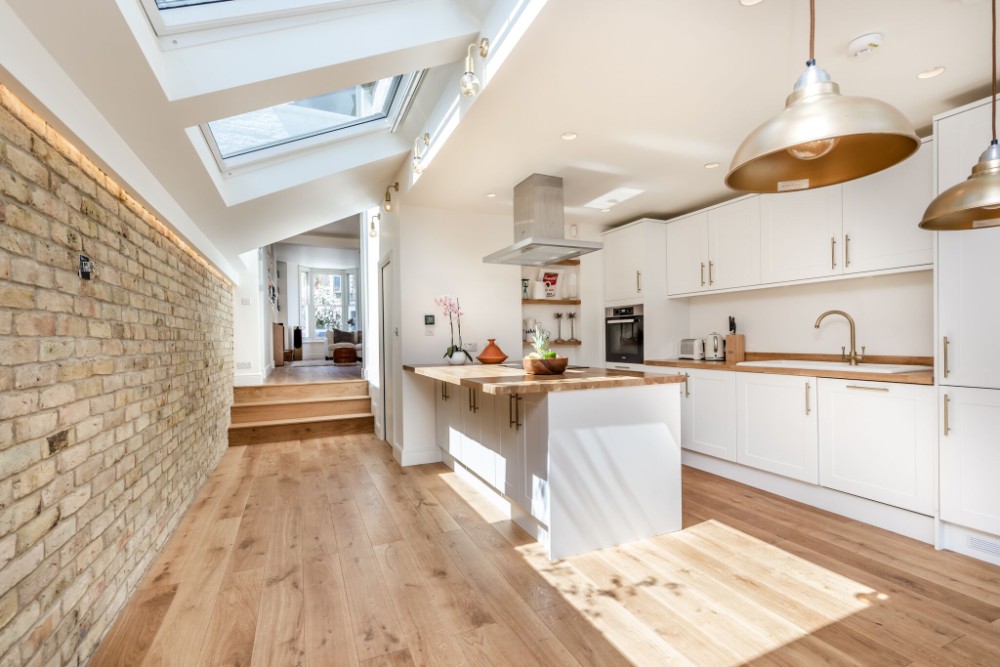
Ecohardwood engineered oak flooring. Colour: Natural Oak/3305. Surface texture: Brushed. Grade: Character. Architect: Craft Architects. Photo: Agness Clark.
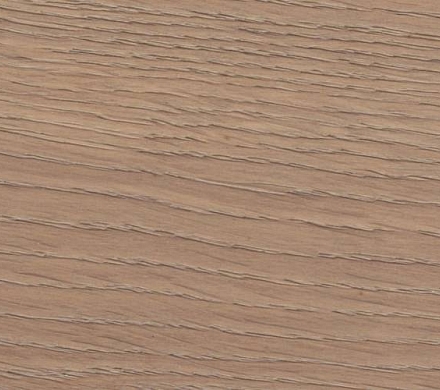
Dark wood floors
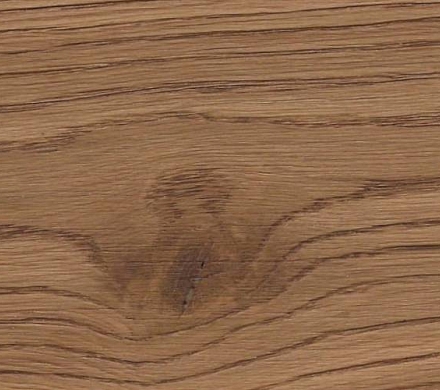
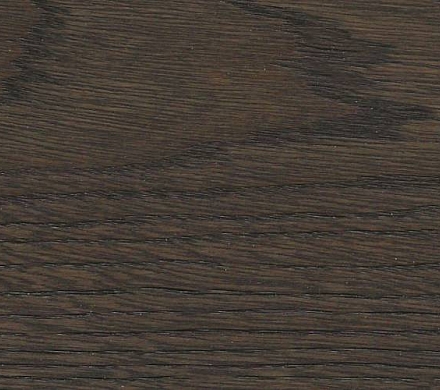
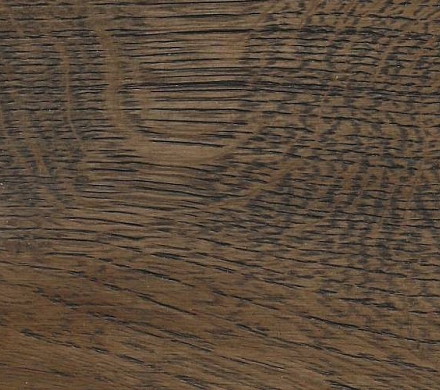
With dark colours, you can design a very traditional, classic look, but dark wood floors can be used to bring in a contemporary industrial style to the kitchen. Dark wood flooring, which hides dirt marks very well, contrasts ideally with white, pale kitchen cabinets.
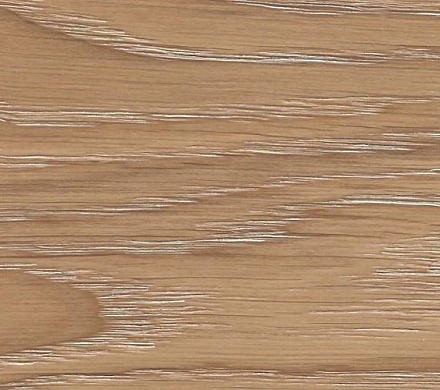
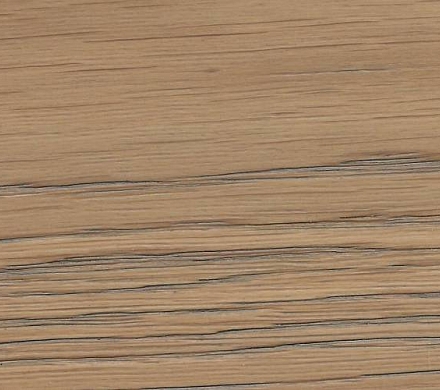
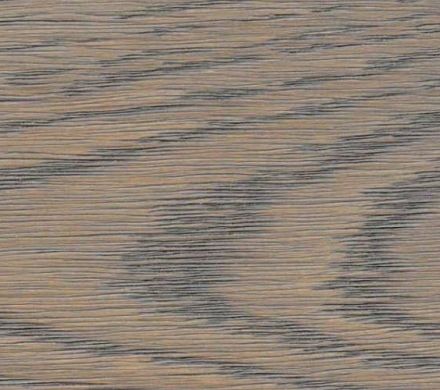
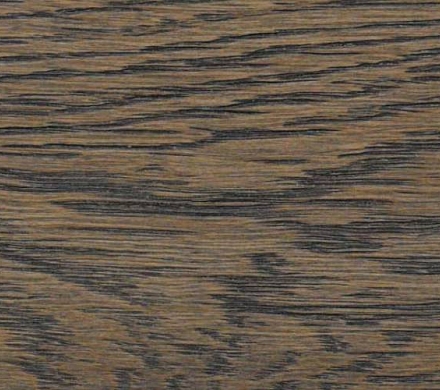
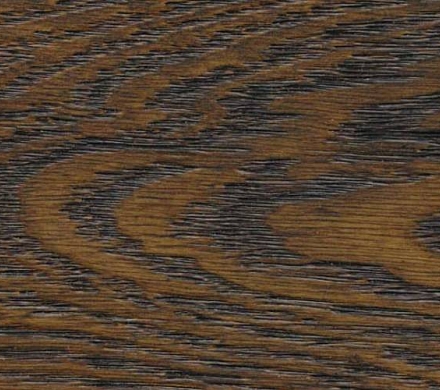
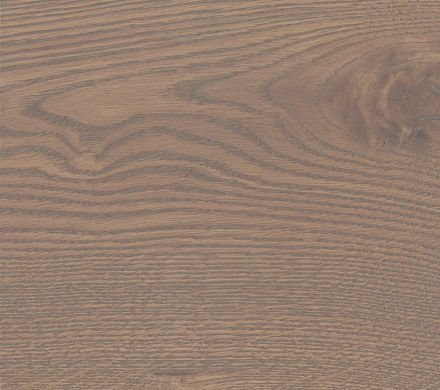
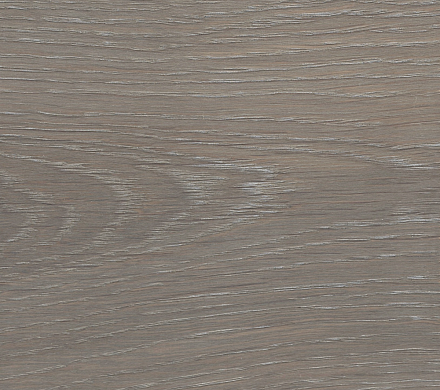
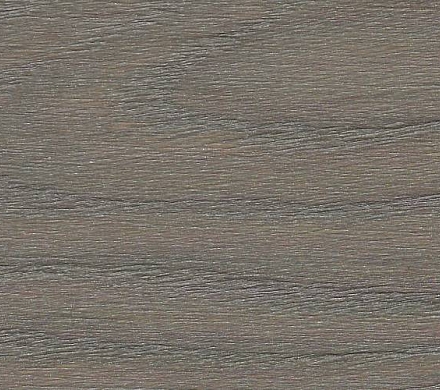
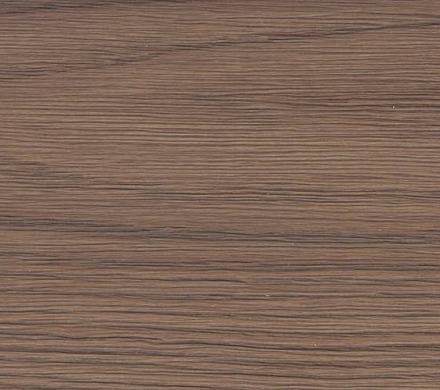
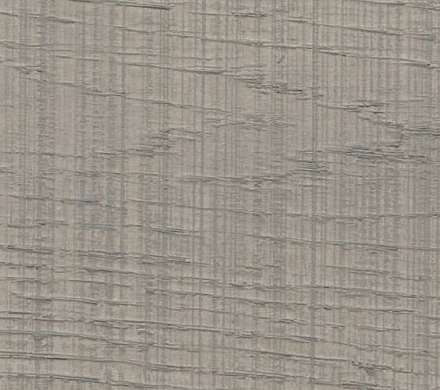
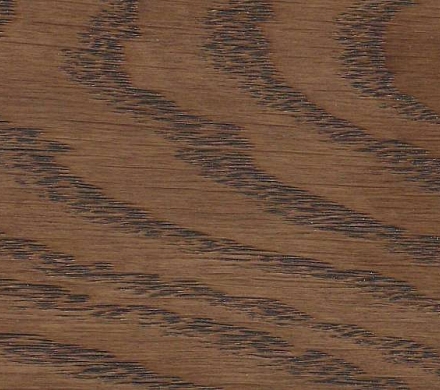
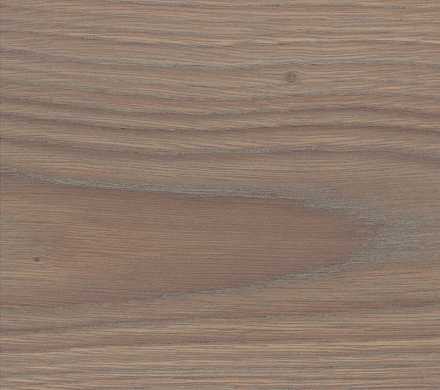
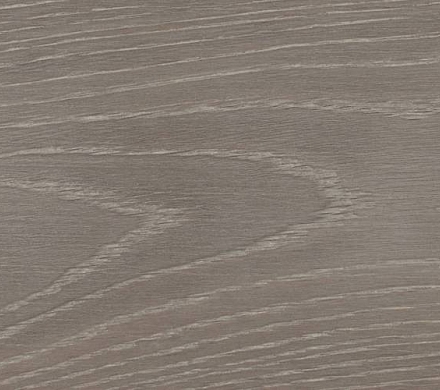
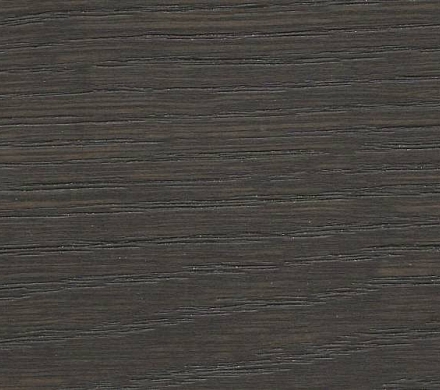
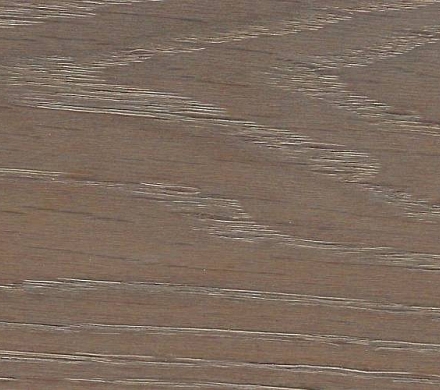
Ecohardwood Ltd, as one of the highest quality engineered flooring suppliers in the United Kingdom offers for sale a wide range of white, greyish colours such as Waterfall, Extra White, Ocean Breeze, Nordic White, more traditional warm colours like Natural Oak, Naturale, to dark ones like Antique, Ebony, Deep Black and even more. Please explore our great variety of colour tones available.
Which wooden flooring board width and length to choose for your kitchen?
Main tips for choosing the length and width of your kitchen flooring:
- Narrow ones look more traditional than wider ones, so if you want to give your kitchen a modern–contemporary look go for wide boards.
- If your kitchen is small go for medium or broad width and long length – as it will make your space feel bigger, as it looks simpler, and not so busy.
- For the large kitchen, we recommend using short or medium-length boards to give a bit of texture and character, wide and long ones for an aesthetically clean, modern and minimalistic look.
For a very trendy and chic and luxurious finish – consider a Herringbone or Chevron pattern in your Kitchen. It suits perfectly not only period properties but modern design too. In terms of price, it is not cheap due to the way it is made, but if you have the budget it is worth every penny as in the end, you have outstanding, unique kitchen floors.
Check our gorgeous kitchen designs with Herringbone and Chevron patterns for your kitchen flooring design inspiration.
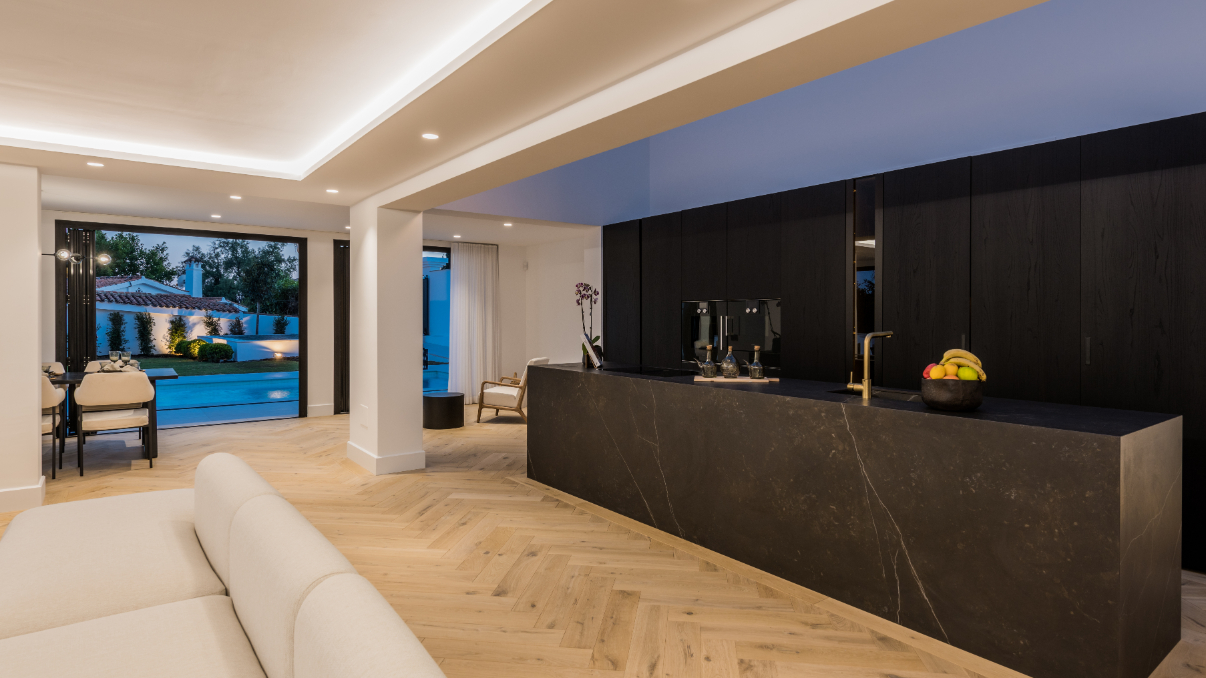
Ecohardwood herringbone parquet oak flooring, Project: Villa Aura, Spain. Colour: Naturale. Size 140mm x 700mm. Grade: Character
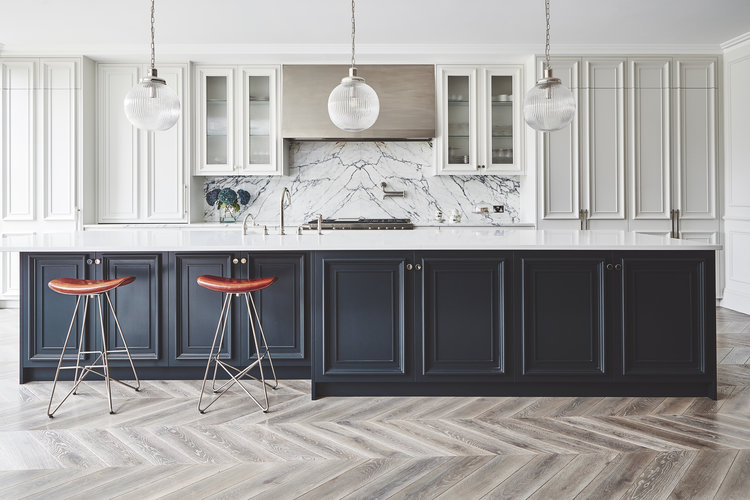
Ecohardwood Chevron 45° parquet oak flooring. Colour: Waterfall. Main contractor: Mascot Bespoke Homes. Kitchen design: Blakes London. Photo: Malcolm Menzies.
In what direction should you install your kitchen flooring?
It goes without saying that the direction of floors has a tremendous impact on the overall look of your kitchen. However, before deciding which direction your kitchen floors have to go you need to consider a few main points:
Size and proportion of your kitchen
In most cases, it looks best if you install flooring in the direction of the longest wall. However, if you lay boards in a line with the length of a small room will accentuate its size, while boards running across a narrow like galley kitchen will make it appear wide, but be careful if the kitchen is extremely narrow, in the case of something like a hallway it might create a ladder effect. If your kitchen is short and you want to create a sense of depth and make it look longer you should install flooring vertically.
Another good alternative for a small kitchen is laying flooring diagonally. The most popular approach is to lay it at a 45-degree angle to help open up the kitchen.
In a big kitchen where the impression of space isn’t so important, you should think about how the floorboards go together with the overall kitchen design. As an example, in an open-plan big size kitchen, floorboards would look the best if they ran in a parallel line with the length of the island or counter.
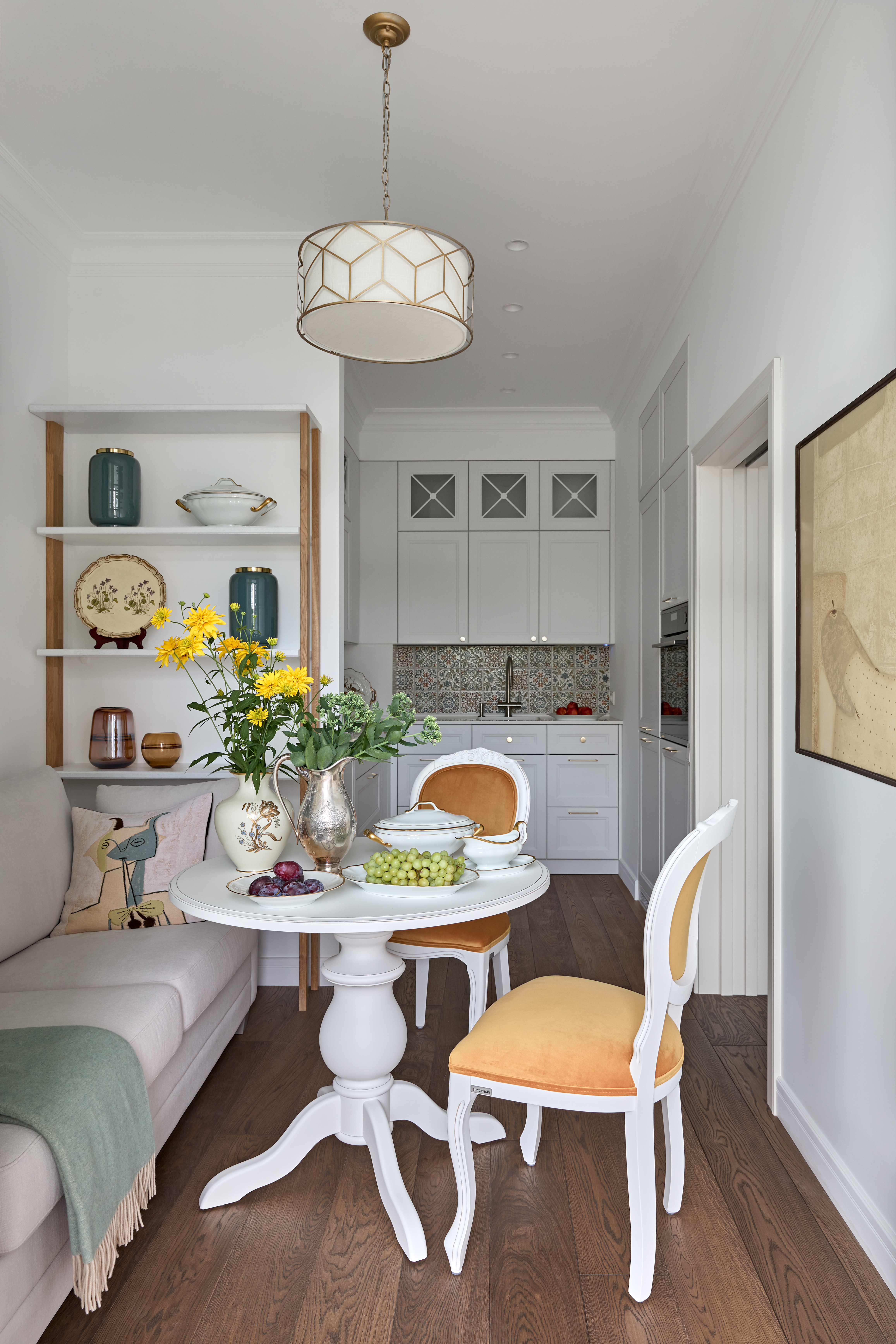
Rosewood colour in Select grade. Brushed surface. Interior design: Alena Nikolaeva.
The entrance
If your kitchen is in the front of the house, you should consider where the main entrance door is located. One of the standard ways to install the flooring vertically to the front door. That way the flow of the floor and it won’t conflict with the entrance and give a feeling of proportion.
Natural Light
The other rule that many designers love to use is having floorboards that go in the same direction as the main light source as the sun rays going coming through the window create the reflection along every floorboard and highlight its natural beauty and texture. Undoubtedly there is no one rule; which directions have to go in your kitchen wood floors it mostly depends on how it goes together in terms of proportions with your kitchen design.
Maintenance of the kitchen engineered oak wood flooring
The main thing you need to be conscious of when you choose any type of engineered wood floor for your kitchen is any potential risks of leaks, flooding or other plumbing issues that could arise. However, performing regular checks of your appliances should help to mitigate any issues before they arise.
When it comes to cleaning engineered kitchen floors, regular sweeping or vacuuming the floor on a “hard floor” setting, occasional use of a damp, well wrung out cloth or mop, and immediate wiping using a non-solvent cleaner in case of spillage. These cleaning routines should be enough on a regular basis. Moreover, if you re-coat your flooring with extra hard wax colourless oil or lacquerer every several years, your hardwood engineered flooring will serve for years to come.
Find out more about our flooring maintenance instructions here >>
Ecoharwood oak flooring for kitchen design ideas
Our engineered hardwood flooring comes in a wide variety of colours, grades, finishes, widths, and patterns, which allow you to create an outstanding, cosy and welcoming space together in classic, traditional or contemporary style. Please explore images with our oak flooring for kitchen design ideas and contact our team for advice.
We deliver all across London and the rest of the UK: England ( Bedfordshire, Berkshire, Bristol, Buckinghamshire, Cambridgeshire, Cheshire, Cornwall, County Durham, Cumbria, Derbyshire, Devon, Dorset, East Riding of Yorkshire, East Sussex, Essex, Gloucestershire, Greater London, Greater Manchester, Hampshire, Herefordshire, Hertfordshire, Humberside, Isle of Wight, Isles of Scilly, Kent, Lancashire, Leicestershire, Lincolnshire, Merseyside, Middlesex, Norfolk, North Somerset, North, Yorkshire. Northamptonshire, Northumberland, Nottinghamshire, Oxfordshire, Rutland, Shropshire, Somerset, South Gloucestershire, South Yorkshire, Staffordshire, Suffolk, Surrey, Tyne & Wear, Warwickshire, West Midlands, West Sussex. West Yorkshire, Wiltshire, Worcestershire), Scotland and Wales.